2020
Yeda art gallery
fund raised over $15,000
2019
Brea Museum
fund raised over $18,000
2018
July 4 ~ Sep. 15: Brea Museum
fund raised over $23,000
2017
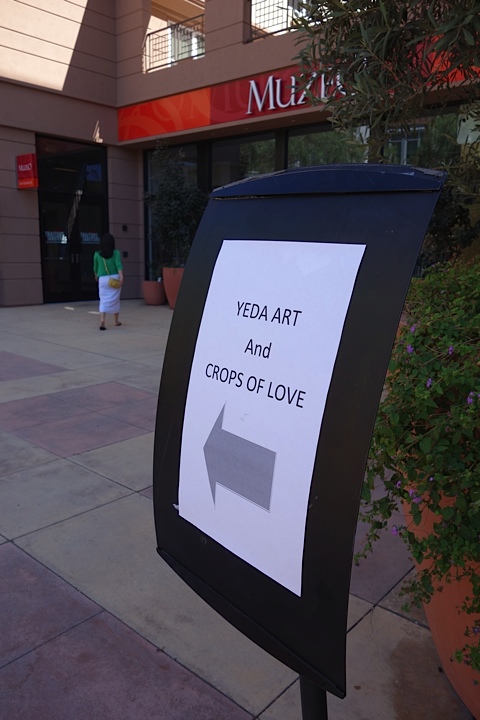
July 15 ~ Aug. 20, 2017 : Muzeo / Museum and Cultural Center
July 4 ~ Sep. 7: Brea Museum
fund raised over $26,000
2016
June 4 ~ July 17, 2016 : Muzeo / Museum and Cultural Center
fund raised over $20,000
2015
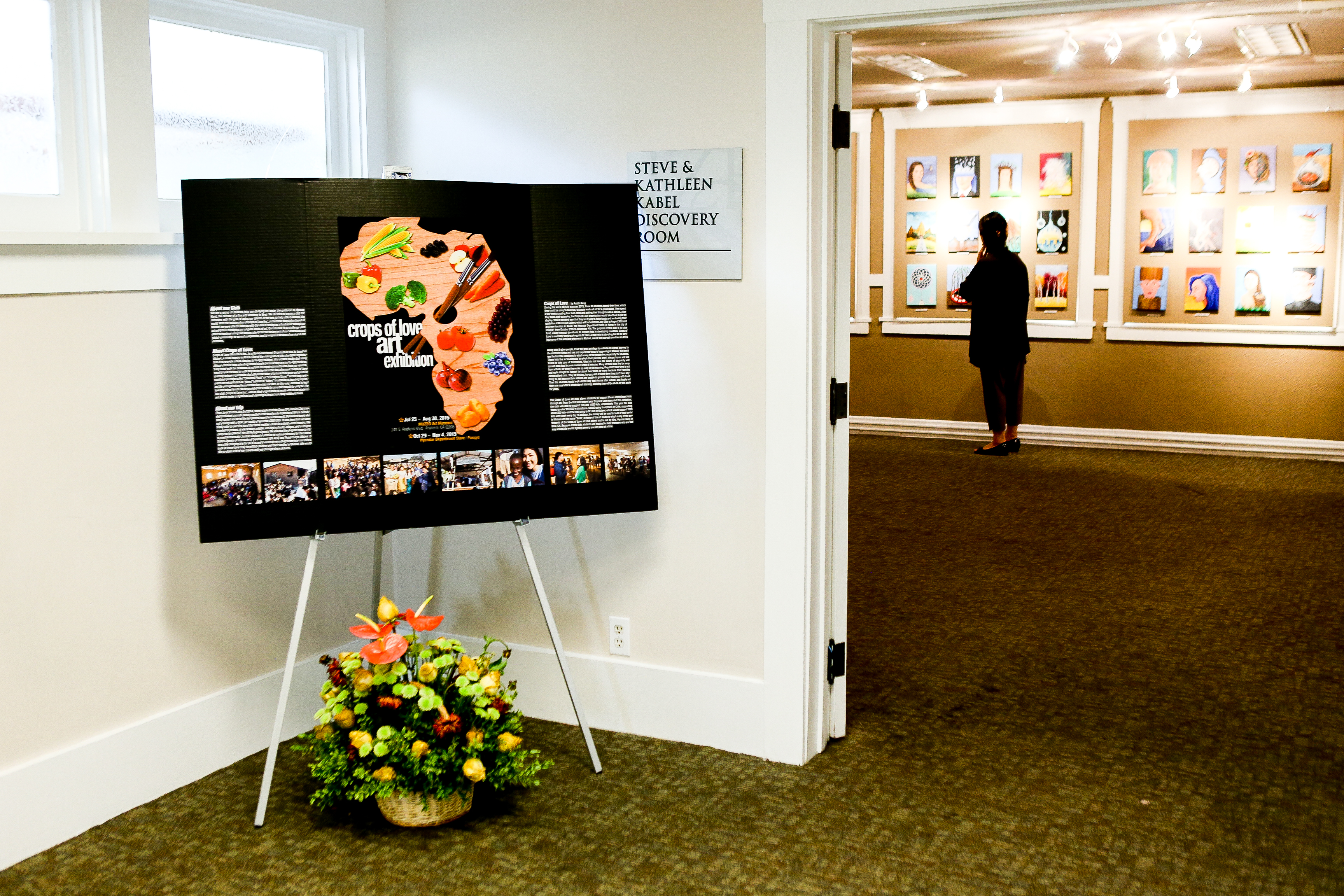
July 25 ~ Aug 30, 2015 : Muzeo / Museum and Cultural Center
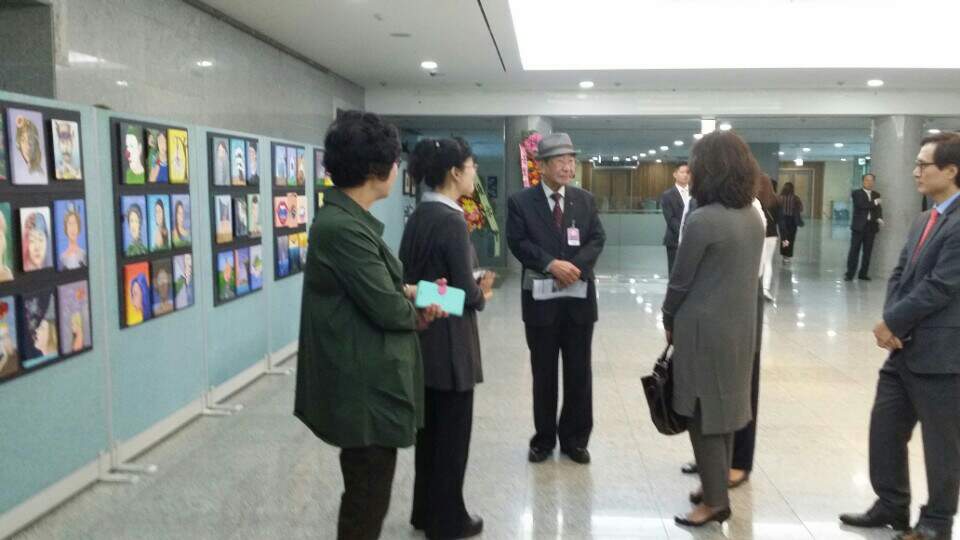
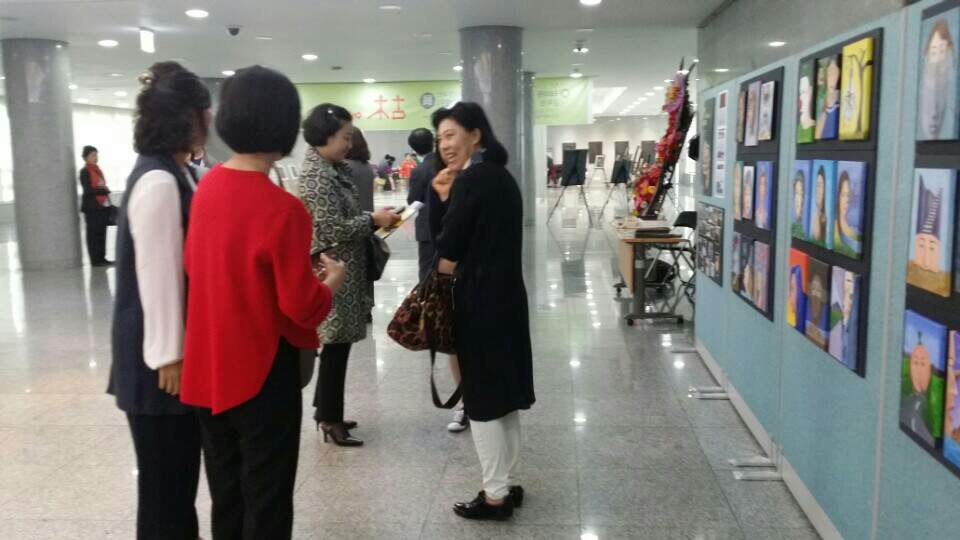
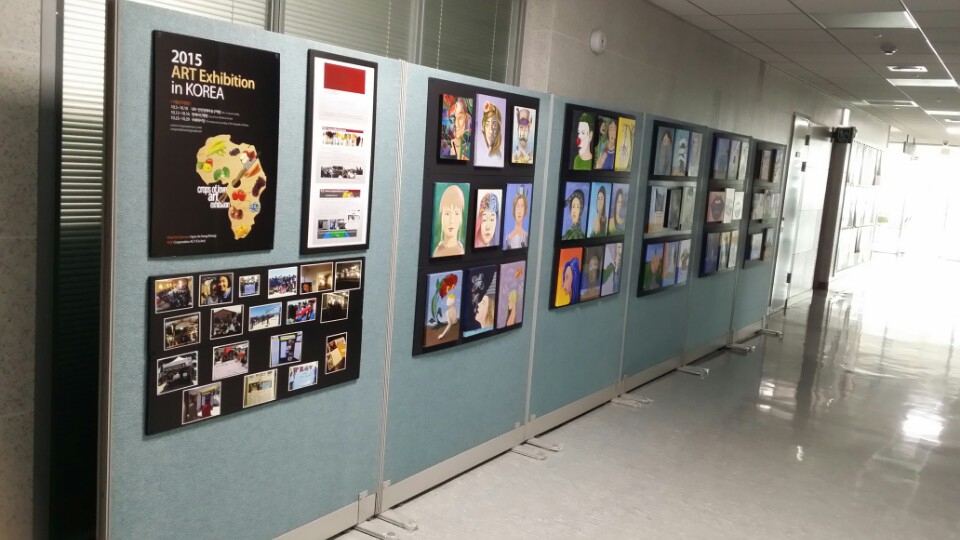
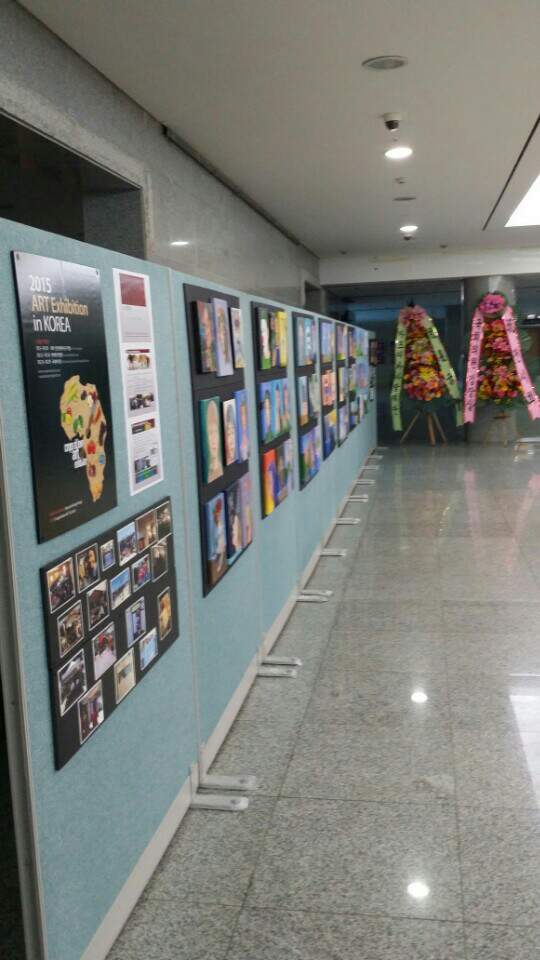
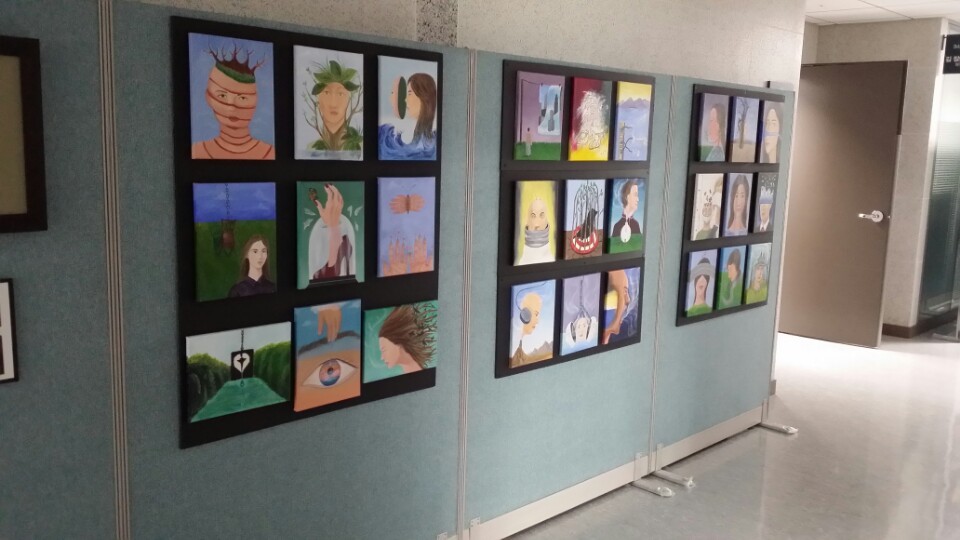
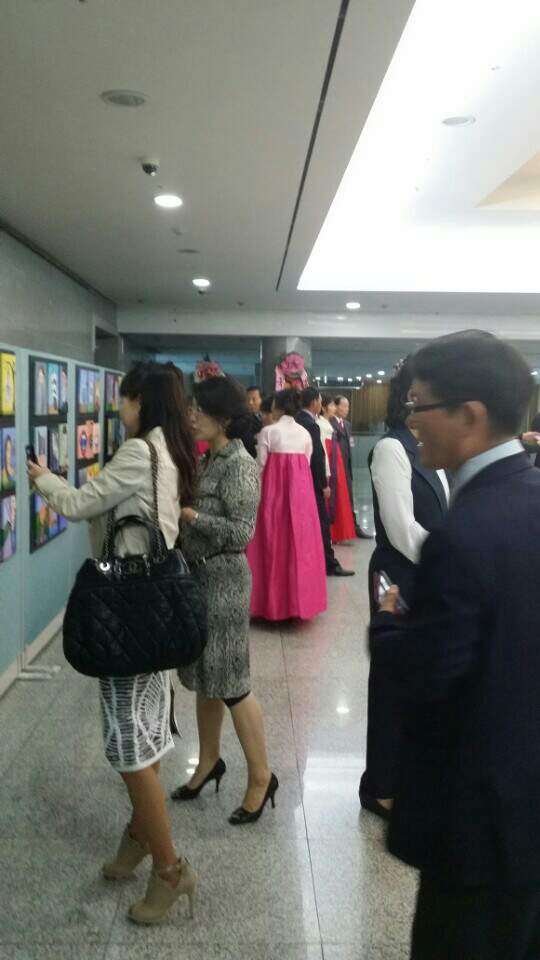
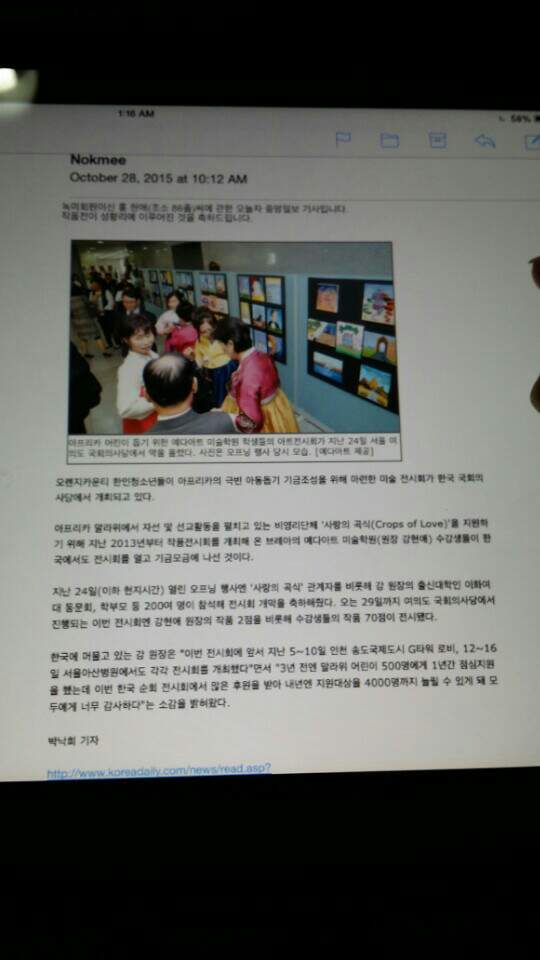
Oct 5 ~ 10, 2015 : UN G-Tower Lobby, Seoul Korea
Oct 12 ~ 16, 2015 : Seoul Asan Medical Center, Seoul Korea
Oct 23 ~ 29, 2015 : The national Assembly of The Republic of Korea
fund raised over $15,000
2014
Aug 9 ~ 31, 2014 : Muzeo / Museum and Cultural Center
fund raised over $10,000
2013
Sep 14 ~ Oct 12, 2013 : Muzeo / Museum and Cultural Center
fund raised over $5,000

Crops of Love
By Austin Kang
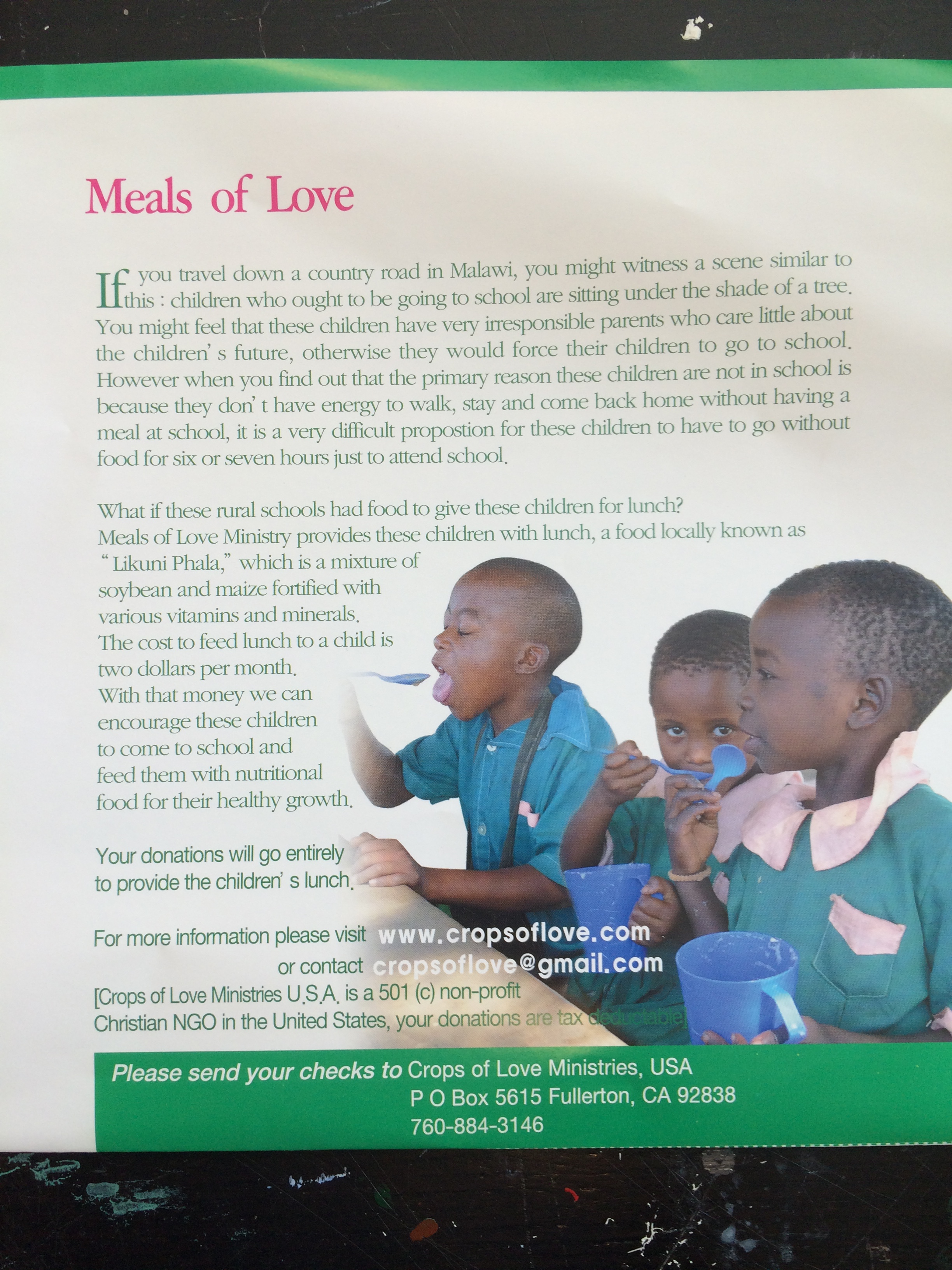
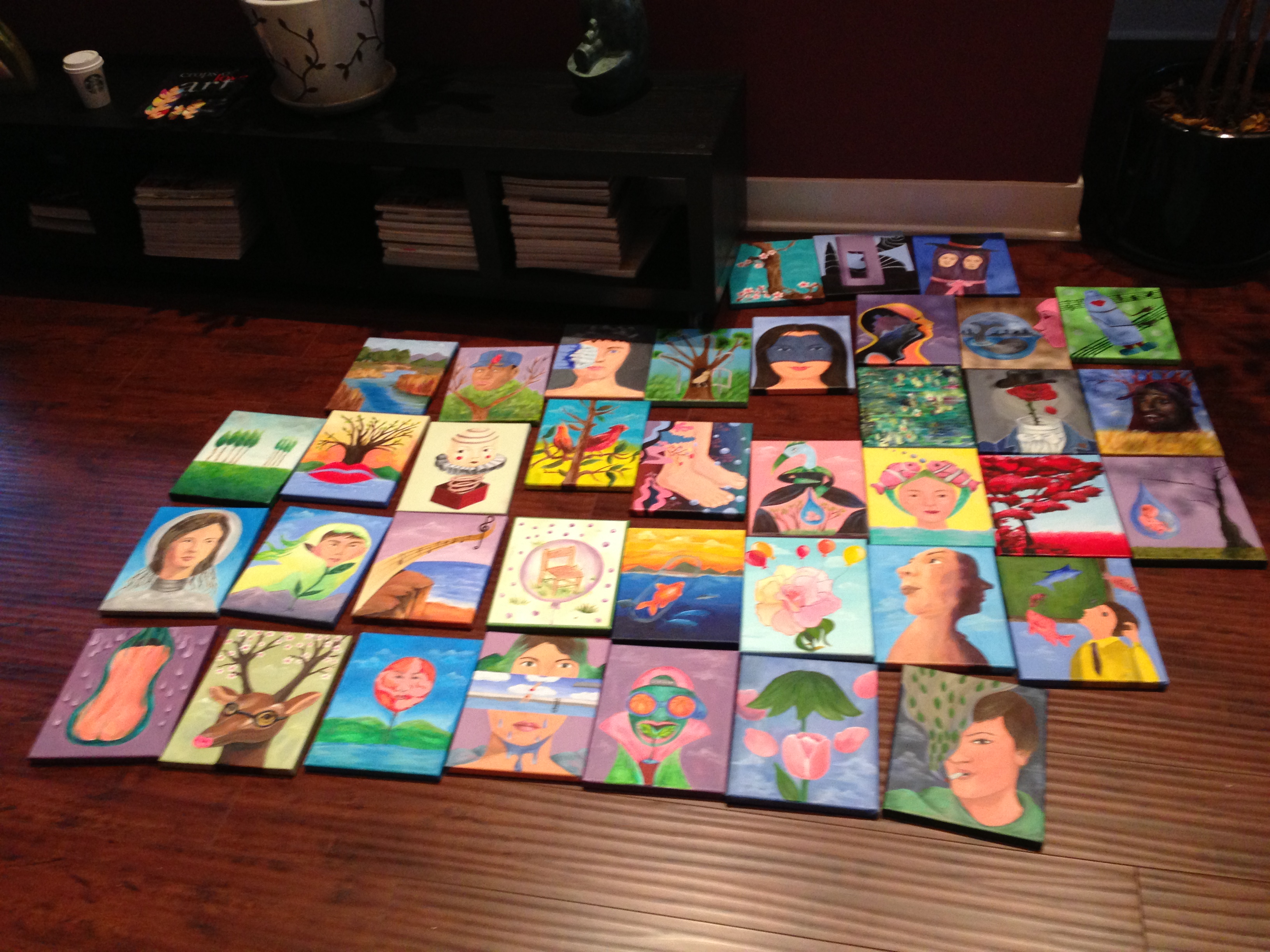
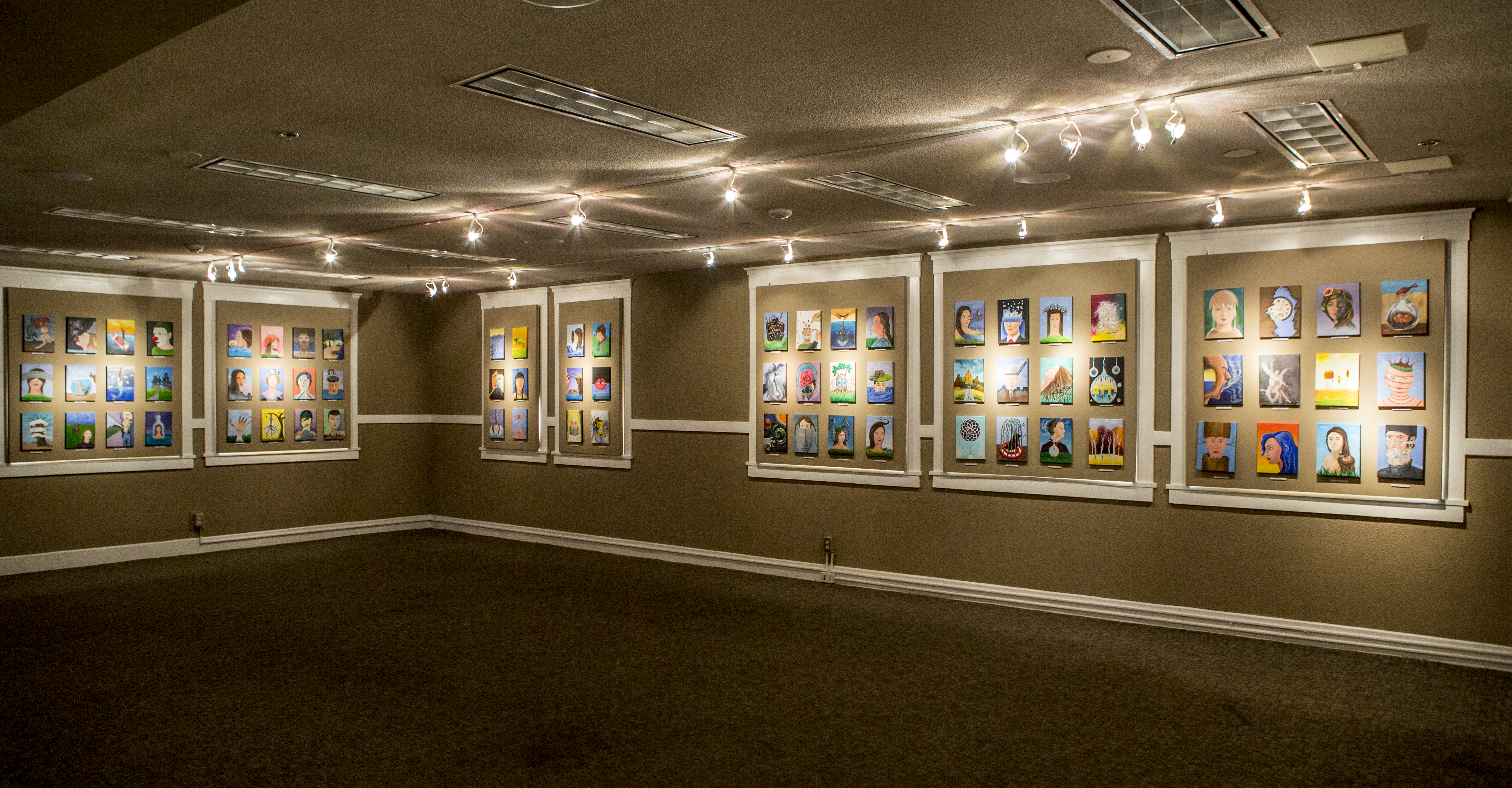
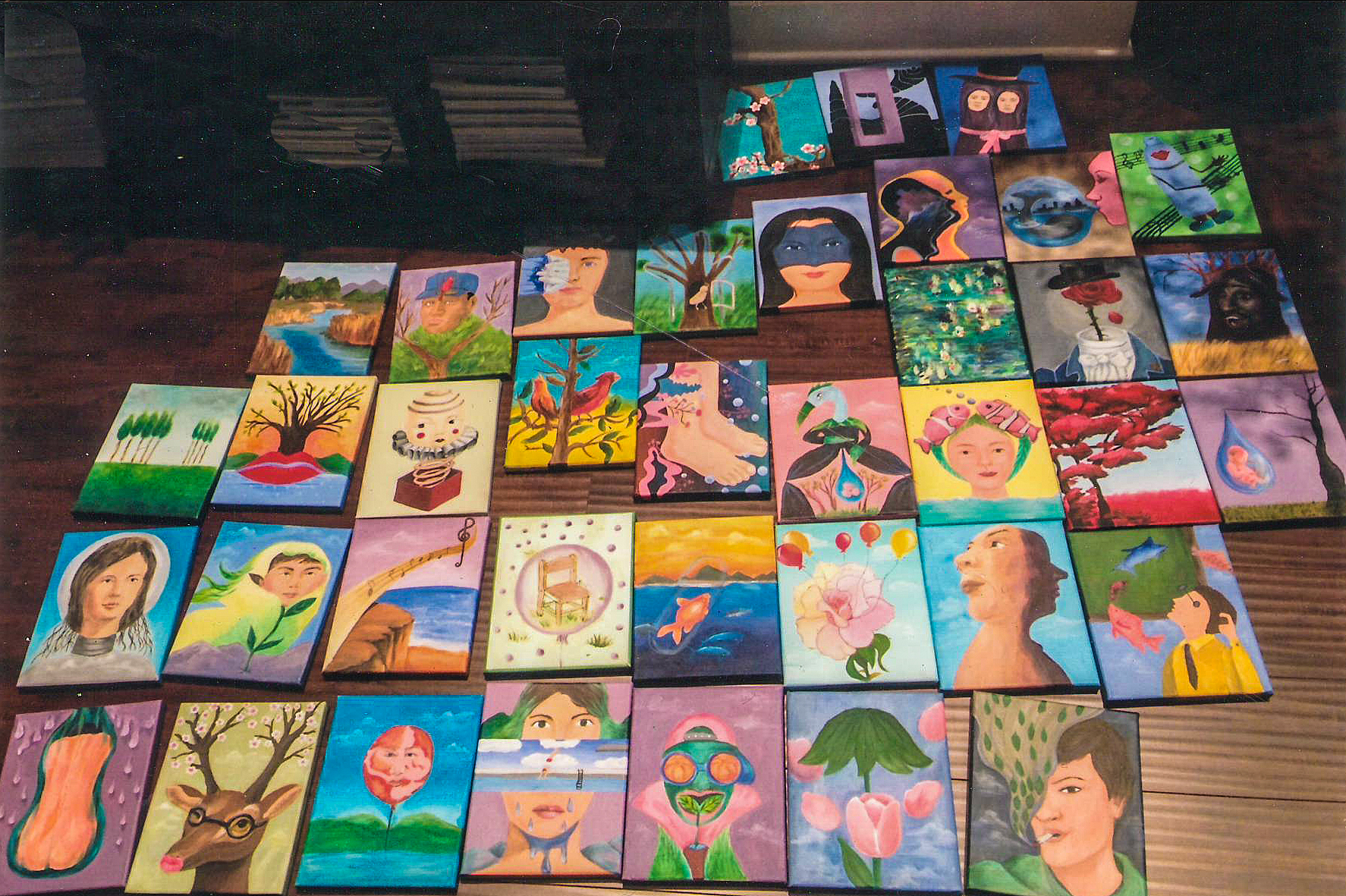
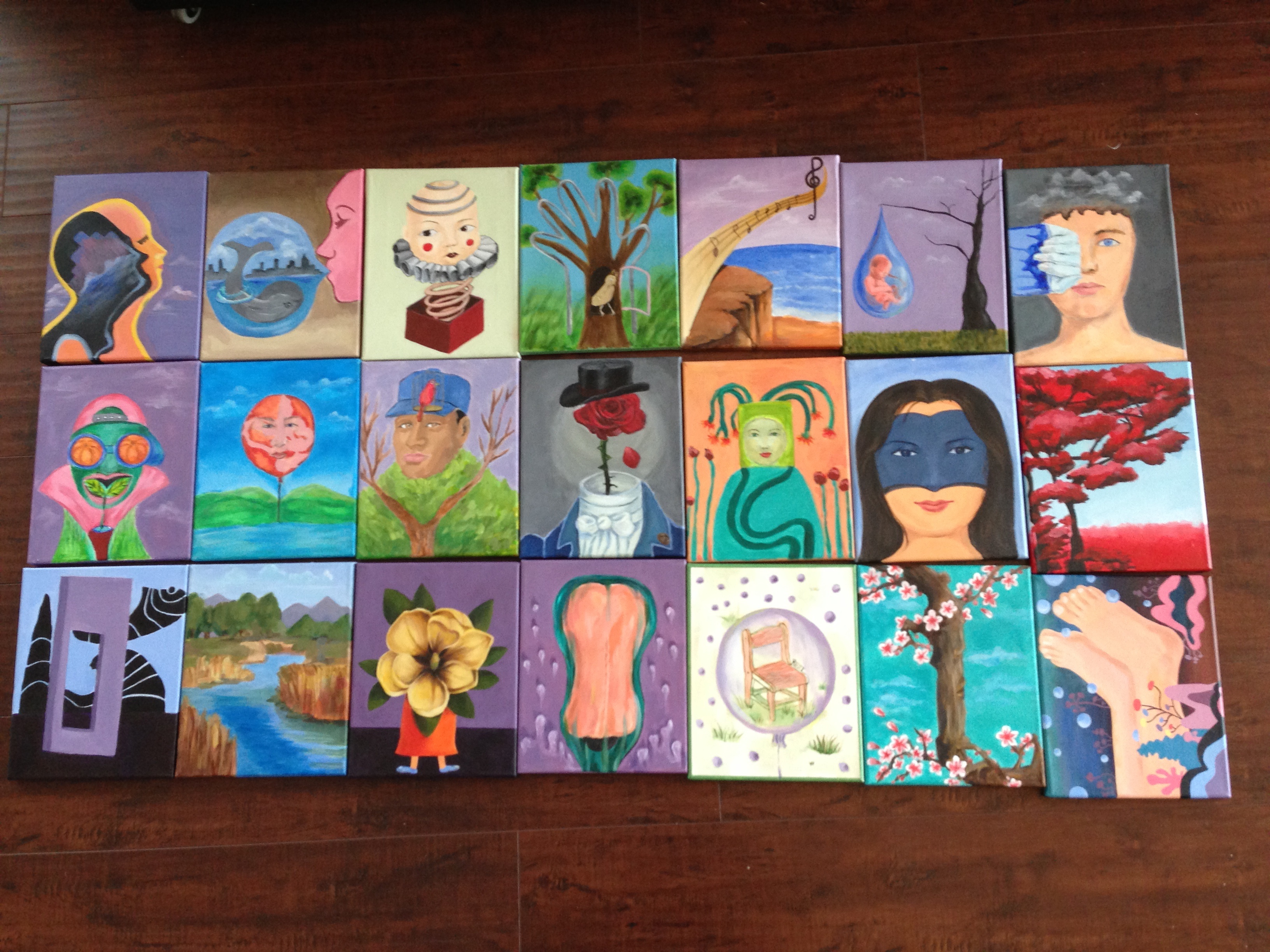
During the warm days of summer 2015, these 90 students spend their time, which they could be using to have fun, to create works of art for a good cause. They spend a few weeks creating their own ideas and putting their thoughts onto a canvas. After they finish their artworks, the Crops of Love organization would take them to put on display. This is the third year that they are trying to raise funds and are having their exhibition at Muzeo Art Gallery, which will be held from July 25th to August 30th and at a new location in Korea- the Hyundai Department Store in Korea in the city of Pangyo- from October 29th to November 4th. The purpose of this club is to raise money, mainly through donations, to support kids in developing countries. Crops of Love is currently working alongside Dr. Youngjin Kim, a man who is devoting his life to serving many of the kids, such as those attending Namatuni Primary School which the Crops of Love Art Club is mainly supporting, and prisoners in Malawi, one of the poorest countries in Africa.
Along with 8 other people, I had the great privilege to embark on a great journey to the continent Africa and see and experience what is happening in Malawi. We could see the horrible conditions in which many of the people live, especially the students. These kids live in households in which their parents aren’t always home and are forced to take care of themselves. Most do not have the luxury of electricity and cannot cook food in a microwave within 5 minutes. Many of these kids live far away from school, so when they wake up early in the morning, they don’t have time to eat and walk straight to school for about two hours or more because their families cannot afford cars. They sit in class, hungry, and at lunch time they don’t have anything to eat because their schools are unable to provide their students with food. Then the students would walk all the way back home after school, and finally eat their one meal after a whole day of starving, knowing they will be stuck on this cycle for years.
The Crops of Love art club allows students to support these unprivileged kids through art. From the first and second year Crops of Love executed this exhibition, the club was able to support 500 and 1000 kids, respectively. This year the club hopes to raise $10,000 in donations- $4000 going to orphans in Chile, supporting about 300 kids- and the rest going to Dr. Kim in Malawi, which would support 1000 kids with lunch every day. In addition, the money will be used to build a food center in Malawi with the name “Yeda”, in honor of the art studio to which many of the participants of the Crops of Love art club attend and is run by Mrs. Hyunae Kang in Brea, CA. Because of this club, students are inspired to help strangers who are half way around the world, fighting poverty one art piece at a time.
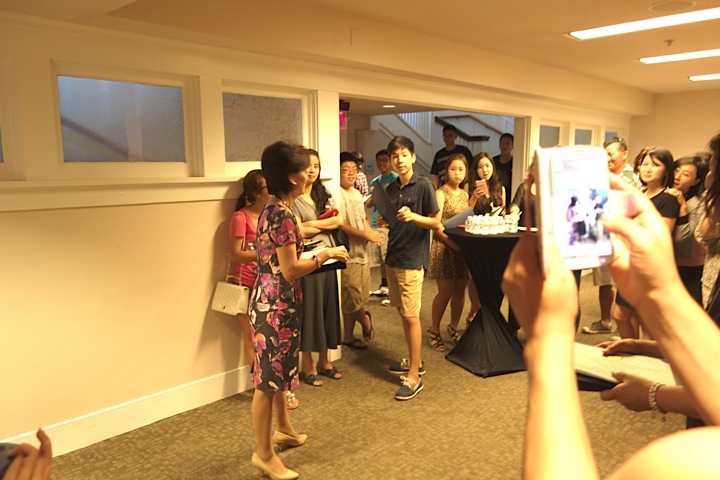
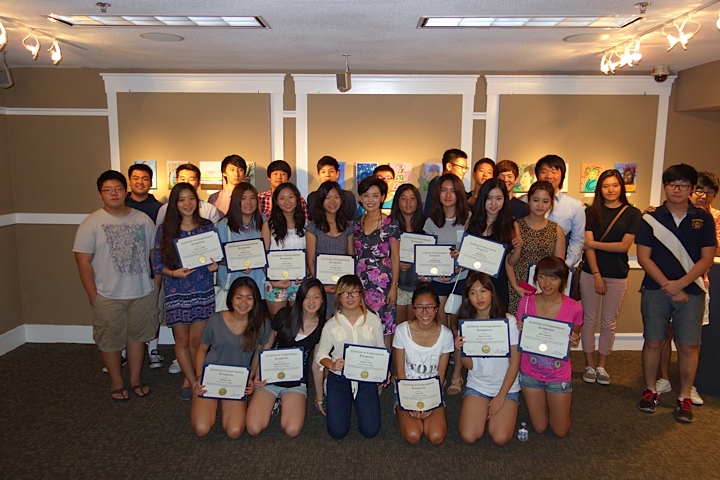
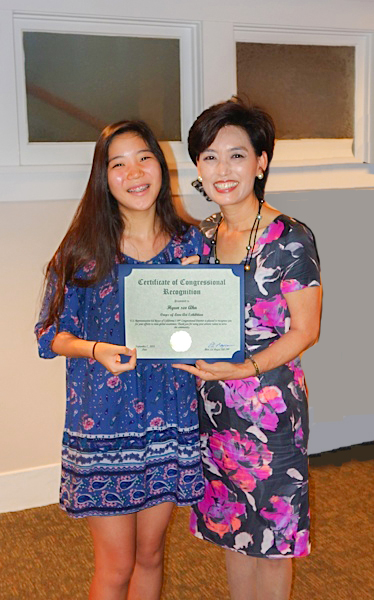
Congratulations and thank you to all those who participated in our 3rd annual Art Exhibition at MUZEO.
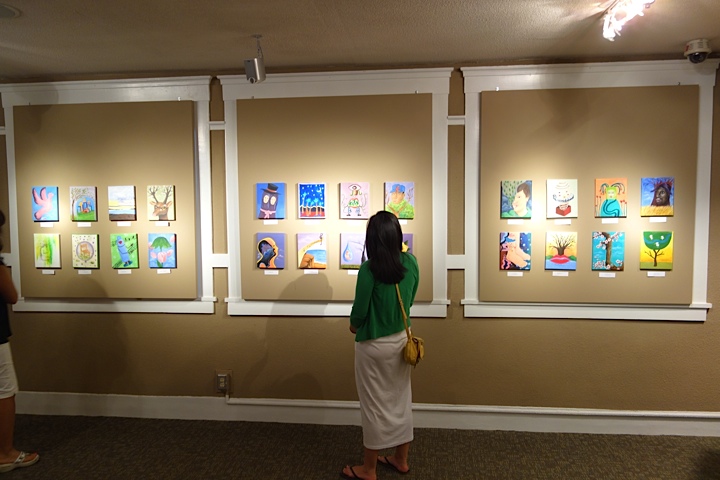
I’m happy to announce that we will be holding our 3rd annual art exhibition at Muzeo Art Gallery from July 25 to August 30th. All the students have been working just as hard as ever and I am excited to see this year’s collection of artwork!
Mrs. Kang and her colleagues from the renown Ewha Women’s College will have an exhibition as well this fall. The dates of the exhibition are tentatively from November 13th to December 13th. Be sure to check out their exhibition!
As always, I am so proud of our students and their parents for all their hard work and dedication.
L. Kim
From June 23rd to July 3rd, myself and seven others traveled to Malawi, a small country nestled in the south eastern portion of Africa. Consistently ranked as one of the ten poorest countries in the world, Malawians barely eke out a living with a GDP per capita of less than $300 USD (according to data as recent as 2012). Not surprisingly, Malawi is described as one of the least developed, yet most populous countries in the world.
So there we went, the eight of us. Despite the short trip, it was an amazing experience of each and every one of us. For me, it is difficult to put into words what I felt during this trip. Heartbreak, pity, indignation? Heartbreak at the abject poverty that never escapes from view; pity for the old, but especially the young (most of whom have a bleak future at best); and indignation for the lack of transparency in the government. Every year, approximately 300 million USD are funneled into this small country. That means since the last time I was in Malawi, just a little less than two billion dollars were given as aid to this country. But what of the standard of living? Life in the villages is just as hard and the citizens are still going hungry every day.
But there is hope. We met with USAID (United States Agency of International Development), directors in the Peace Corps, and social workers in the refugee camp in Dzaleka, Malawi. Some of these people were Malawians, most were not. So why are these people here? What duty do they have to Malawians should they devote their lives to promoting their well-being? And what of my father, who devotes most of his time in Africa to rehabilitate prisoners and to feed hungry children? The answer to these questions is what brings us hope.
They have no obligation to be in Malawi. No one forced them to give their time, effort, money, and in most cases life, to help those who need it the most. It was a privilege to meet and speak with these people and learn about what they do.
It was a life changing trip to many of us and I am so glad to have been a part of it. But enough from me– our young students, Aaron Kang, Austin Kang, Janice Park, Isaiah Kim, and Justlin Lee have all written reflections about this trip you can read below. The inspiration is palpable and I am so excited for these students to take these experiences, incorporate them into their lives, and make a difference in the world.
-L.K.
But first, a break from all the text. Here are some pictures from our trip:
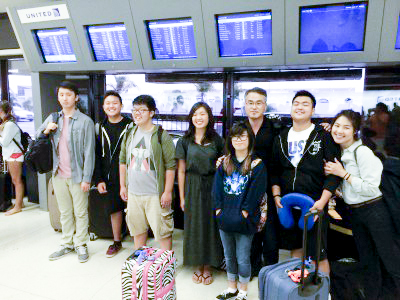
A picture of our group in LAX shortly before our departure. (From L to R: Justin Lee, Austin Kang, Aaron Kang, Heidi Kang, Janice Park, Hee-Yong Park, Isaiah Kim, and Lydia Kim).
This is our first night in Africa! We were all exhausted after 30+ hours of travel but the ladies at the staff house gave us such a warm welcome! Thank you!
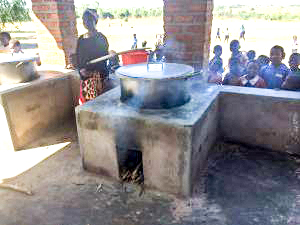
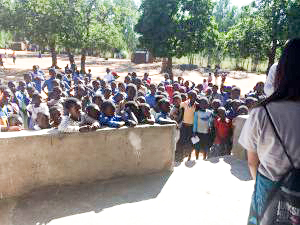
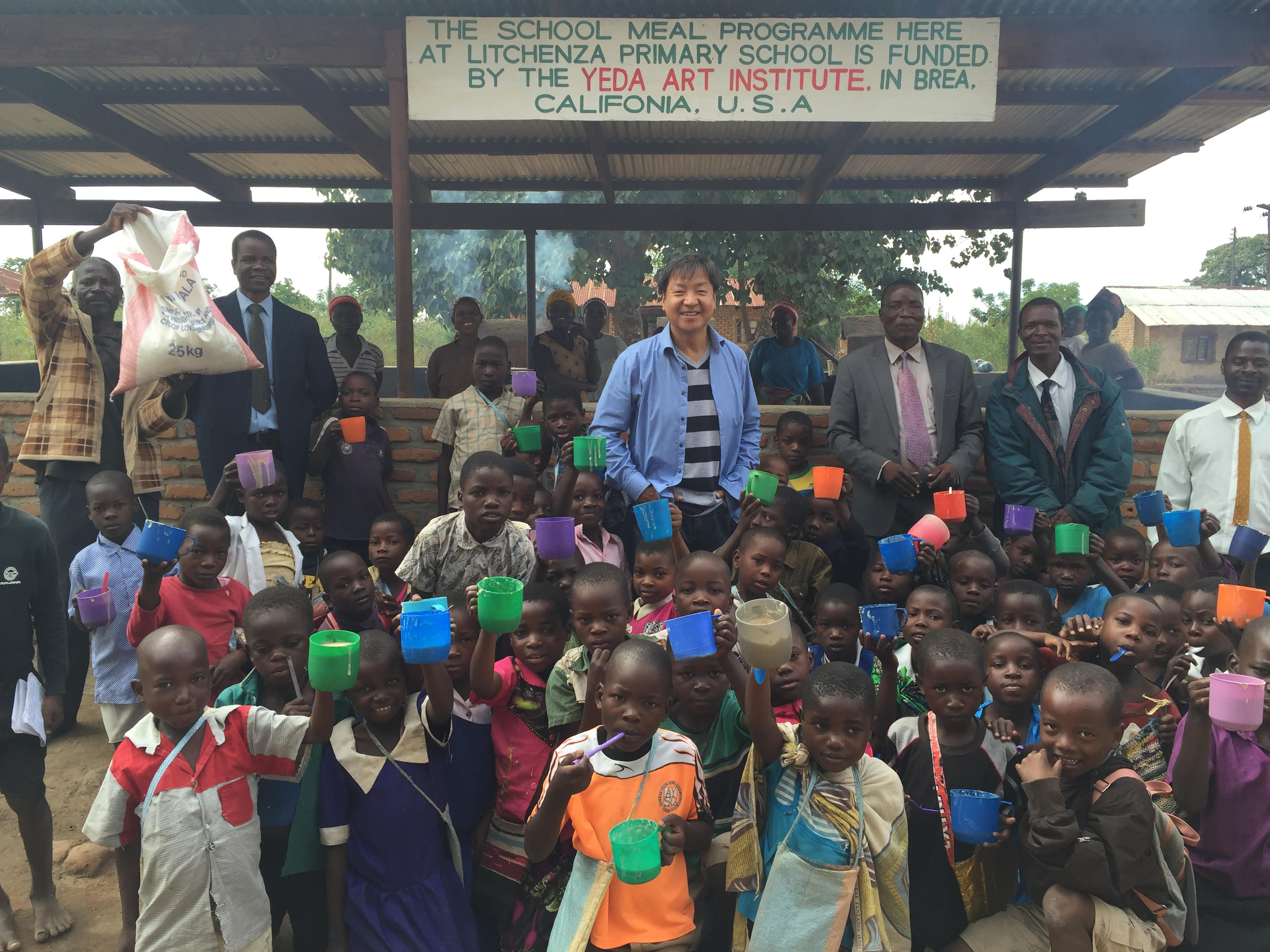
Here is the feeding center that was donated by Mr. Park and his family. The children eagerly await for the porridge. Careful it’s hot!
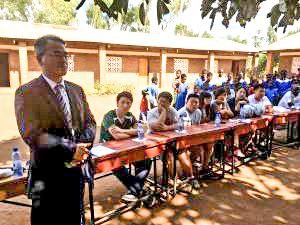
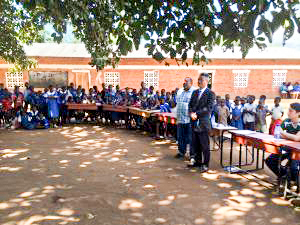
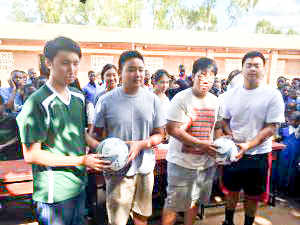
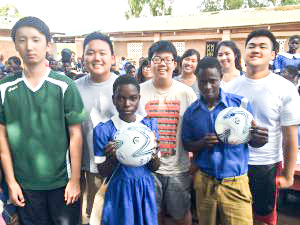
They held a ceremony for the grand opening of the feeding center of Thuchila primary school. They had asked for help after a student of theirs fainted after not being able to eat for three days. What an awesome opportunity it was to be able to witness lives being helped and touched in front of our very eyes.
Aaron Kang:
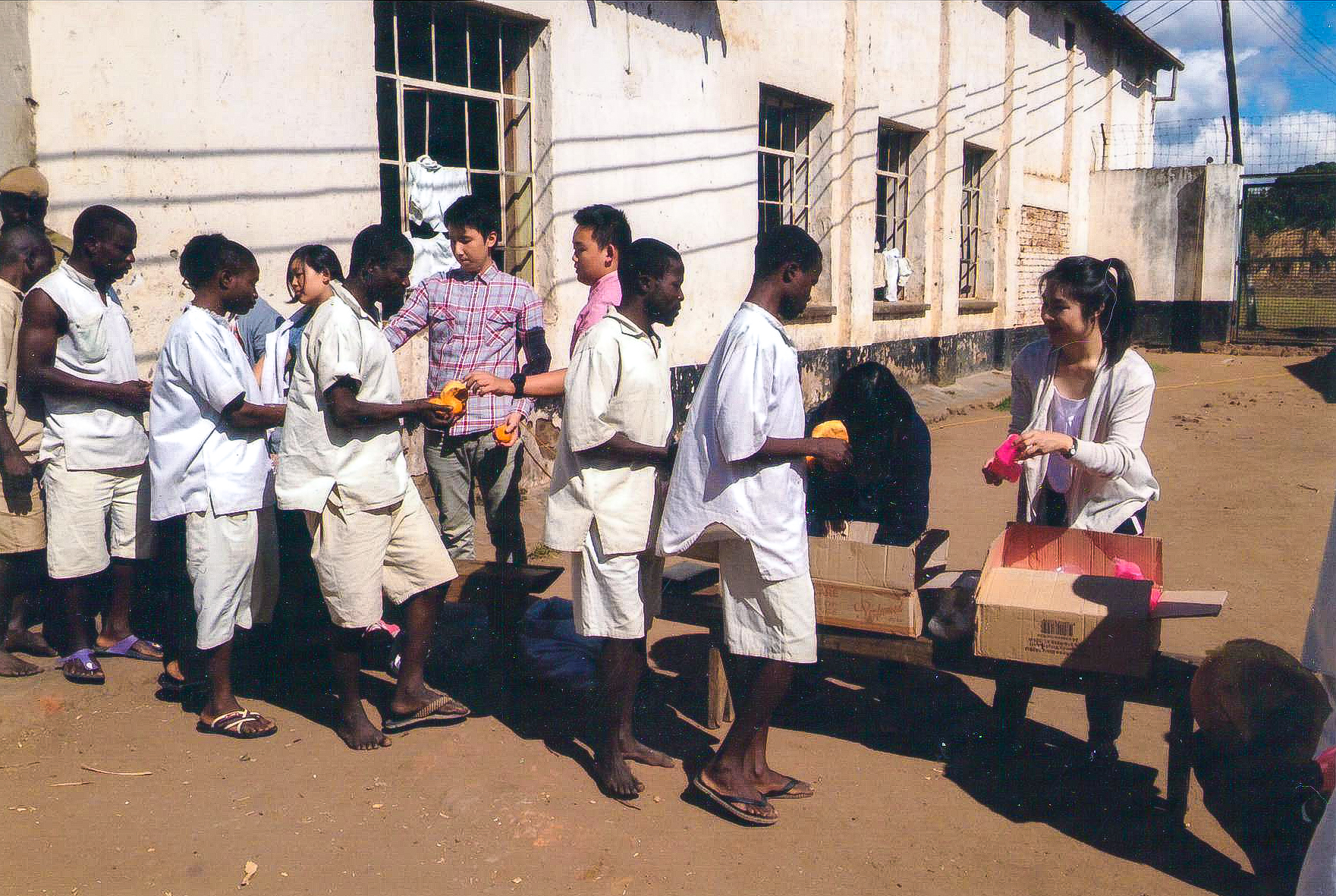
Initially, going to Malawi seemed very unrealistic for me. It was essentially going into a completely different environment in which I only heard about and saw on television. Landing at Malawi did not seem much at first, but as we went to market, I began to see things differently. People selling things on the streets, everything was overcrowded, and it seems that even though people were doing their own thing, they were somehow able to telepathically know what the other person was going to do and get out of their way effortlessly. It seemed like the whole mass of people had a conscious that flowed together. After we went to the market, we were able to visit a juvenile prison, and there, we were able to gift a PA system, the tangerines we bought from the market, and soap. What shocked me a bit was the fact that when the PA system was turned on, everyone became very ecstatic, as if everyone received a million dollars. To them, music was everything. It was their way of expression, their way of socializing. However, to us, music was none other than a source of entertainment. It made me realize that our different cultures has differentiated our views on various things, and one of those things is music. I was, however, able to join the dance later on throughout the week, and dancing with the prisoners actually made me feel something new. It was no longer dancing for fun, but instead, it was just an all-out feeling of expression, an expression of happiness. To me, dancing allowed people to forget all the hardships they faced, and instead, embrace the positive parts of life.
I never actually realized how bad the people of Malawi had it until I came back home. When I was coming back home, I hit the air conditioner and started listening to music when it suddenly hit me. I was never able to have any of these luxuries back in Malawi. The roads were nicer, everything was structured nicely, etc. Coming back felt like a completely different world. It made me realize that we had so many benefits and privileges living in California, yet we hardly use it. The sad part is that the people of Malawi could really benefit from what we have, yet they do not have such an easy access to those resources. This was the moment where I could actually feel for the people of Malawi.
One of the things I remembered when I came back was how little clinics and schools the UNHCR refugee camp had for its refugees. In California, we have tons of schools and hospitals for the people to use, and even then, many of the students do not care much for school. But back in Malawi, in a camp with a population of 20,000, there is only one primary school, one secondary school, and one clinic, making things very congested. It soon came to the idea that even though adding one more won’t see much to us, it will be a huge relief for them. For us, we take things for granted and believe that one more can’t really make an impact. Visiting the refugee camp changed that mindset for me, and I made it my goal to build at least one more building for whatever purpose, because even though it will seem like a small amount to us, it will be a huge blessing for them.
Austin Kang:
Along with 8 other people, I had the great privilege to embark on a great journey to the continent Africa and see and experience what is happening in the country, Malawi. With the guidance of Dr. Kim, I was able to have the premium experience of having the feelings of enjoyment as well as sorrow in Africa. For me, being in Africa felt so surreal. If anyone who came on this trip were asked, they would answer that I constantly said, “I can’t believe we’re in Africa” or “Dude, we’re in Africa.”
Summary:
We did many things in Malawi and our schedule was divided into two parts. The first half of the week we were to visit the prisons, schools, and villages to see what kinds of problems were affecting Malawi. And during the second half of our trip we went to the U.S. Embassy, USAID, and Peace Corps to see what the United States’ government was doing to help or solve these problems.
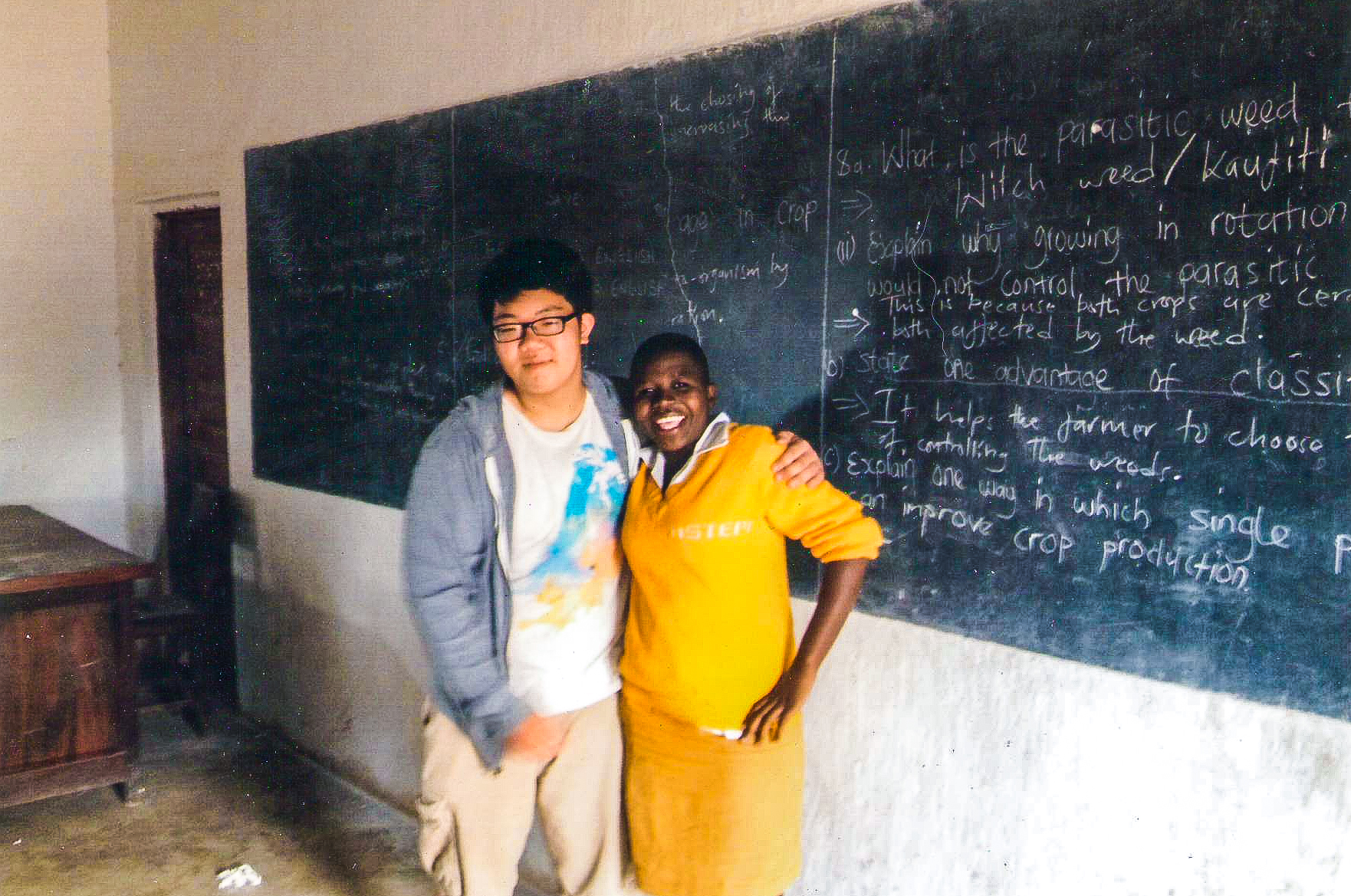
When I visited the schools, I felt very humbled. I realised that I truly wasn’t grateful for the kind of education that America offered. We went into the kids’ classrooms; there were no lights, desks, chairs, and only a few windows. They don’t have projectors, shelves, or even white boards. We have all these items and yet the teachers hear strike in order to get more funding. Also, our education, frankly, is just better. I can’t remember exactly what I learned when I was in elementary school but I’m sure that what the kids in Malawi are learning are behind. They value education so much over there; one of the school’s motto was “knowledge is power.” I see my fellow peers always saying how much they hate school or how much they wish it could be summer vacation at that moment. I too, say this because I take my education for granted. The worst part of their education system though is that the kids are not able to receive any motivation or encouragement from the schools.
In America, when we are young, we are always told how much each of us matters and how important you are. Even if you fail, you can get a medal for just participating. The students in Africa don’t have that but sometimes, you can see their faces with a genuine smile. Why is that?
Another major problem with the schools is that kids don’t get lunch. Imagine, you don’t have a car and you have to walk for 2 hours just to get to school. That means, you have to wake up early, skip breakfast, and then start walking. If you’re a little late, you might have to even jog a little bit. Because you skipped breakfast, you’re hungry, but they don’t serve food at school. So you have to get through school, then walk for another two hours, and then when you’re at home late at night after being hungry all day long, you finally get to eat. In order to solve this problem, Mr. Park donated a lot of money to an elementary school so that they may have a kitchen and serve its students food.
Dr. Kim also created a “program” in which the prisoners of the village/city would make the food. This gave me a really heart-warming feeling when Dr. Kim said, “I’m trying to make the takers turn into givers.”
We also went to a nearby village and saw what it was like. The houses were all run-down, small, and look nothing like the houses in America (they don’t even compare). They make their houses out of bricks and other earthly materials. Their living conditions are terrible compared to ours: they don’t have restrooms in their houses; they barely have 2-3 rooms; to get water, they have to walk very far to the faucet.
So after seeing all of the problems, we went to go see what our government was doing to help. We spoke to someone from the USAID and she was explaining that theywere teaching Malawians more efficient ways to do things ranging from building to farming. However, even though we try to teach them these new techniques, sometimes the people would not accept the teachings because it goes against their culture and what they have been taught for generations.
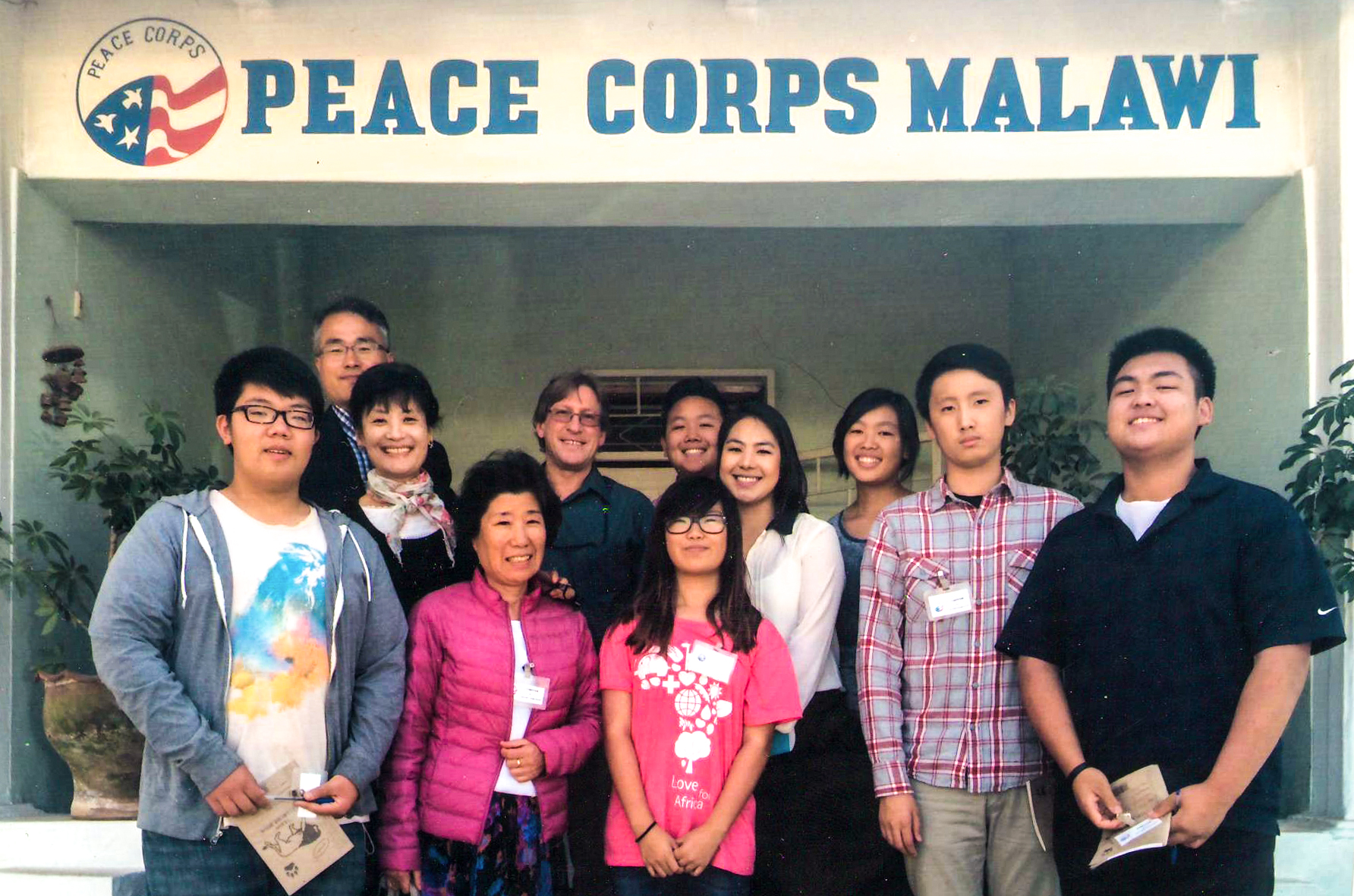
At Peace Corps, we learned that there were many volunteers in different parts of Malawi trying to learn the ways of the Malawians as well as helping them.
Main Effect:
I have seen many things that are happening in Malawi, some good and some bad. But one thing that affected me the most, were the relationships that people had with God. 80% of Malawi is Christian so they did early morning prayers and held Sunday worship services. The prisoners truly struck my heart. The first time was when we were working with them to make food for the school. To me, they seemed like perfectly good people and I couldn’t understand why they were in prison.
The second time was when Dr. Kim brought us to the prisoners’ early morning prayer on Saturday. All of the prisoners were their praising God early in the morning, singing and dancing with joy. The main thing though was that when they prayed, they didn’t pray for themselves first (remember they’re convicted men who most likely want to be free) but instead they prayed for other countries like North Korea. I was astounded by their actions because when I hear about peoples prayers its always about what I want first and then if there is time, they’ll pray for something else (this is just my general opinion).
This trip was for me and no one can say different because I can’t just change the Malawians lives by just being there for a week. I mention this because I am jealous of the Malawians.
When I see them praising and praying to God with all their heart, with all their might, and with all their strength I keep thinking to myself, “Why can’t I do that? What is my problem? Am I embarrassed or am I ashamed?” From my point of view, when I look around me, whether at my peers or at the adults, I usually do not see anyone singing at all. I know people do not have to worship in a specific way but I feel like at least singing to him is a must. So when I saw all the prisoners going down to the stage dancing, smiling, and singing their hearts out, I couldn’t stop thinking about how we just stand there watching our praise team do everything. Nevertheless, I am very grateful for being able to go on this trip to Malawi and I hope to someday to be able to go back and help in an even bigger way.
Janice Park:
My name is Janice Park. I’m an upcoming sophomore in Oxford Academy. From June 23 to July 3, I traveled across the ocean with a small mission group (well it wasn’t really a mission; I would say it was more of a “volunteer for experience and observation”) and embarked an unforgettable journey in
It all started when my art teacher introduced a man named Dr. Youngjin Kim, who lived in Malawi for eight years, to my parents. My parents had a heart for Africa for many years and had a dream of helping them in some way, but, although it was a long wait for them, they were finally given that opportunity to do so through Dr. Kim. He was and continuously is helping Malawians, specifically prisoners andstudents in various schools by providing free meals for over twenty-thousand students. In addition, he aided the people there by providing better medical care, and taught the prisoners better techniques of farming and cultivating crops. Therefore, through him, my family was able to finally start to physically help Africa (by building a cafeteria for a primary school called Thuchila, that is currently providing thirteen-hundred students one meal a day for the first time), and I was able to experience the reality of
Looking back now, it seemed like a dream and a nightmare at the same time, but it was all reality. After a 24-hour flight to Malawi, we met up with Dr. Kim and headed to a juvenile prison. Comparing the roads of Malawi with the streets of California, there is an obvious difference between the two states.
Being a part of a third-world country, Malawi seemed to be underdeveloped: houses were made out of mud or bricks; there were barely any electricity; most people are farmers but making at least a dollar in a day; and everyone seemed to be living in a tough and hard time. However, throughout my whole trip of visiting schools and prisons, meeting people and students, and even praising God in a prison camp, I came to realize that that was only part of the harsh reality of the Africa.
If there was one specific event that I would choose as an experience that I would love to go through again, it would be the time I went to the primary school that my parents donated to, Thuchila Primary school. When we went there, the first thing we did was visit the classrooms and see how the students there were being taught and how the system of education worked there. As we walked into a secondary level class, the students greeted us with “how are you?”, and the first thing I noticed was that all the students were sitting on the floor and barely had enough space to cross their legs because there were so many students (more than forty in one class) and very little room for the room itself was small.
After the greetings, we high school students dispersed and sat with the class. During that time, the students were learning grammar, specifically homophones. Dr. Kim’s daughter and I volunteered to teach the class this course, but I realized something: in United States, homophones are usually taught during kindergarten, but the secondary leveled students were learning it now. As we visited other classrooms, we all saw that the education system in Malawi was neither strong nor on track. Most of the students were learning the basics of what they should’ve learned a couple years ago.
After a while, it was lunch time, and we all walked over to the cafeteria, “Janice E. Park Hall”. The building had two large fire pits for them to cook their food, and four long rows of stone tables. In each fire pit, there was a large pot of grainy porridge. The other high schoolers and I were given the opportunity to actually help pour the porridge into the students’ cups and give the lunch that the students had never eaten before. All the students were shy to see random strangers passing them their first lunch but they all had smiles all over. After all students received their meal, I was able to talk to one of the students, Mia, a third level girl. She was sitting in one of the rows in the cafeteria, eating with her friends, and I asked her, “How are you, and how is the food?” She responded, “I am very good. It is very delicious. I am Mia.” When I told her my name, she was surprised, “Just like its [the cafeteria] name! You are the family? Park family?” I said yes, and she gave me a huge bright smile and said, “Zi como (thank you).”
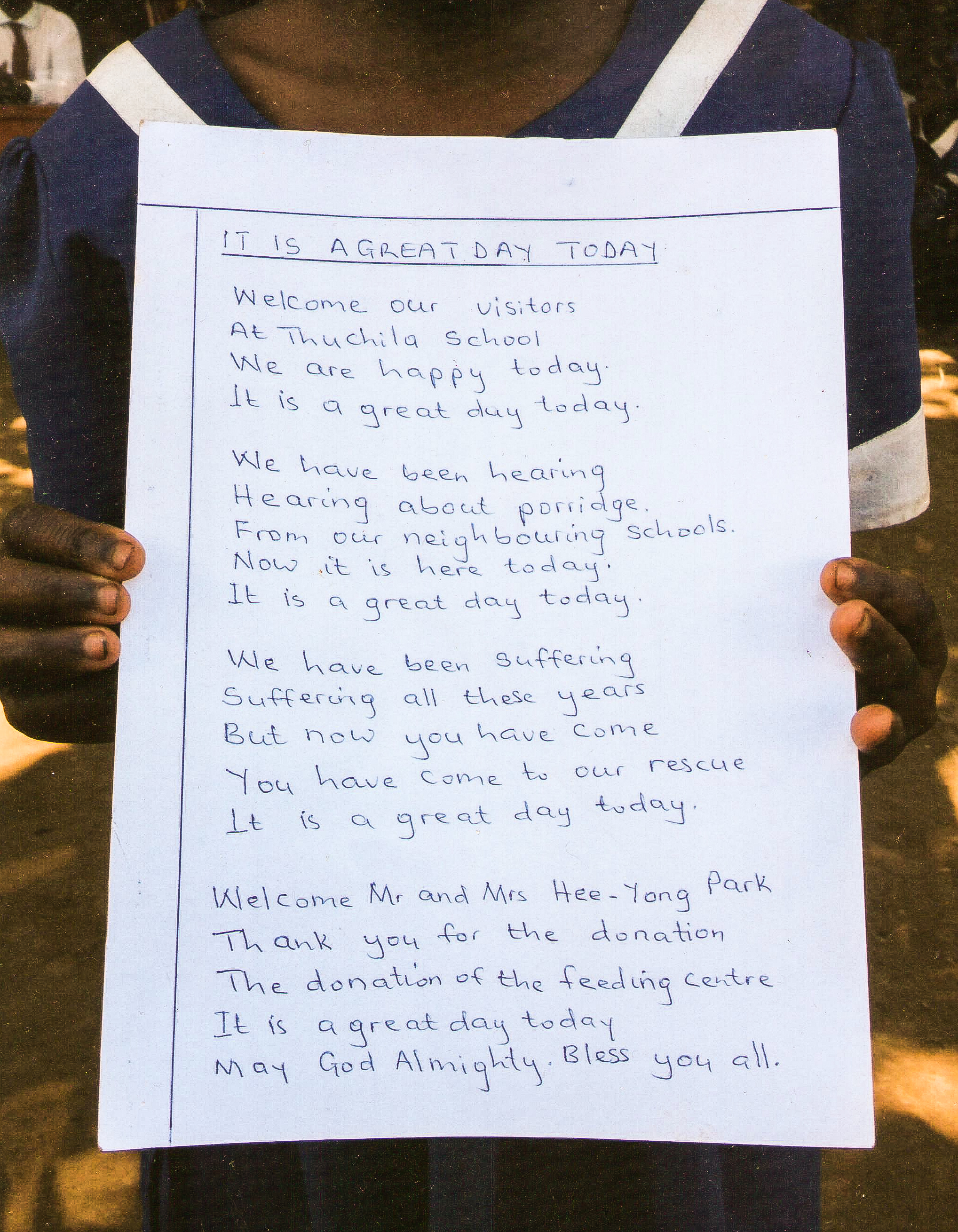
After the meal, the students performed for us and did various things, such as singing a song, performing a humorous yet meaningful play (about how the sick was cured with the new food the cafeteria brought to them), and reciting a poem (about how that day was a “great day” and how the students “were saved”). Overall, that day was very meaningful to me and one of the best moments in I lived in “a world of overdevelopment and desire”, where there were a lot of people who were dissatisfied with life. However, entering into the “world of Malawians”, everyone was humble yet suffering from underdevelopment, but the Malawians had the greatest smiles I ever seen. They did not let the harsh times get the better of them and bring them down; the adults, grandparents, children, and all had strong spirits in themselves and have an optimistic mindset. They are all amazing people, and I would love to see them again.
When I become the architect I dream to be when I grow up, I would love to go back to Africa, specifically states similar to Malawi. I would want to help the people by designing and constructing various buildings (houses, cafeterias, schools, hospitals, etc.) that will better the environment of the land, economy of the states, and the well-being of the people. With that mindset, I am willing and encouraged to work and study hard as the years pass by. Even if architecture does not become my first job, I will visit Malawi again and do all I can to help make it a better place, a place that these people deserve and will be proud of. I can promise that.
Isaiah Kim:
My Trip to Malawi
From 2004, my dad, Yongjin Kim, has worked as a missionary in a small country in Africa called Malawi. It is one of the poorest countries in the world and because of that, many people, especially children, suffer from starvation. My father’s organization, called Crops of Love, serves to feed thousands of children every day so that they, too, can receive a nice, nutritious meal. For about a decade now, I have never been to Malawi but this trip showed me where my dad lives, what he is doing, and how Crops of Love can change thousands of lives.
On June 23th, my sister, other friends, and I departed the United States and reached the city of Blantyre, Malawi. Upon arriving at the airport, I saw my father waiting for us and it was great to see him. Immediately, we drove around the rural area and we were startled to see people walking on asphalt without shoes, women carrying large amounts of fruit on their heads while carrying a baby, and some people selling random items such as apples and cockroaches and skirts alongside the road. Our group did not come to Africa to work and labor to help the people, we came to observe and acknowledge how different their lifestyles are from ours.
Over the week we spent in Malawi, we visited prisons, elementary schools, middle schools, a high school, a factory that makes Phala (that my father designed and the main food source to feed the kids), and various places to experience Africa.
First off, the schools inMalawi are appalling in a sense that the teachers have trouble to educate the children due to the conditions such as poor lighting and the lack of materials to properly learn the material. To make matters worse, these kids have hardly anything to eat, so they must go to school to receive a bowl of porridge (Phala). They walk miles and miles to go to school, eat a small portion of food, and walk back home, only to repeat the cycle the next morning. It is terrible and astounding to see how much these children suffer everyday.
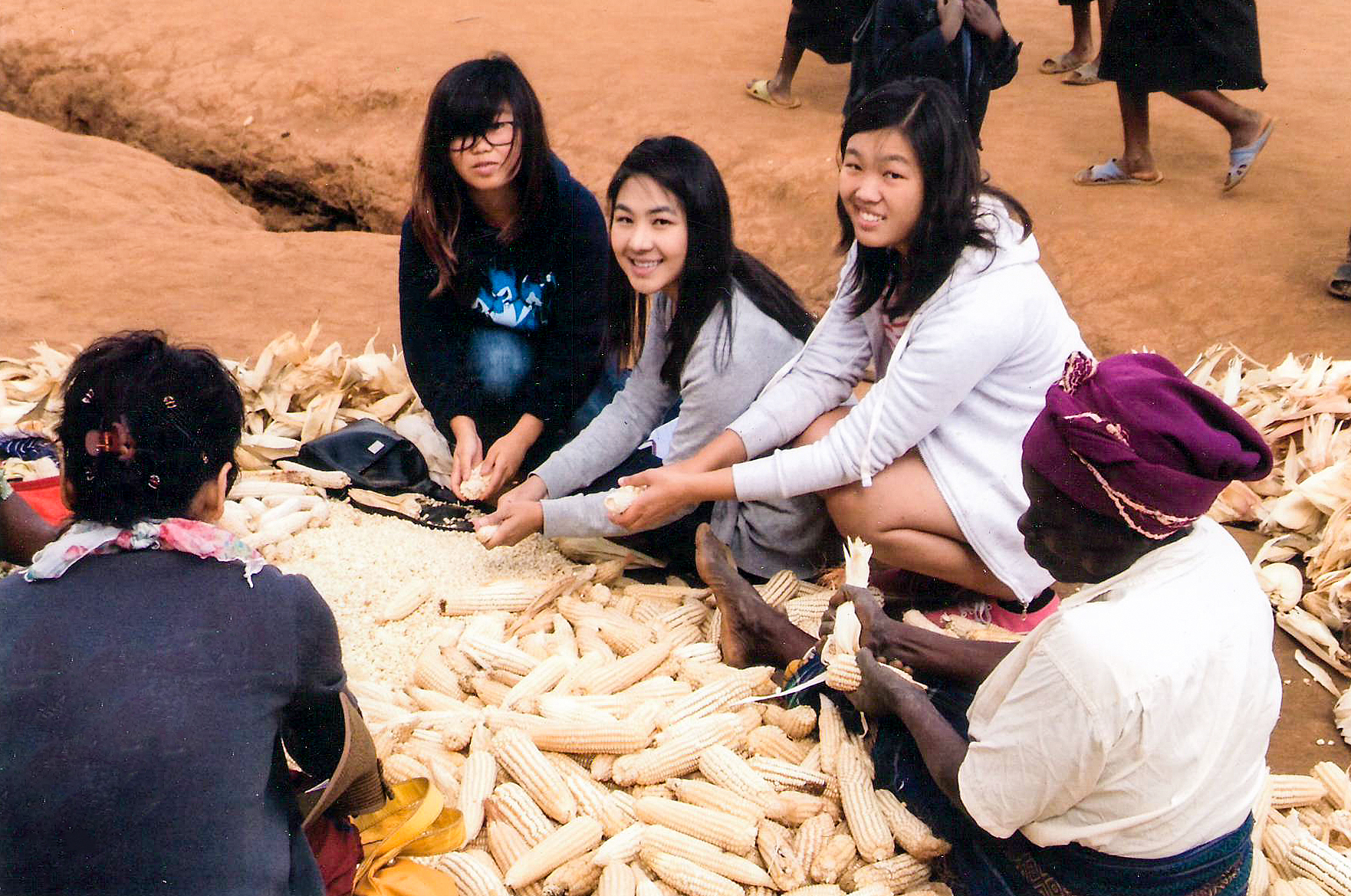
Next, we visited the Phala factory; my father organized a plan to get some prisoners to help make the porridge in the factory. There, we helped to make the Phala and fully experienced what it is like to make the food that feeds over 28,000 children daily. Along the way, we stopped by some local markets and realized how different it is; even the prices are substantially lower but however, the gas prices are surprisingly high. Although the land and the schools are less modernized that ours, the produce is really fresh and it costs only one-third of what it does in the U.S. Everything there is somehow different from how we perceive the world, so it was wonderful to finally see how
After observing how the people live, we went to go see what the rest of the world is doing to end poverty in Malawi. First, we went to USAID, where a representative explained to us how the U.S. is supporting Malawi and what must be done to help the country. Second, we went to the Peace Corps to see how they are helping Malawi. The Peace Corps has sent many young students and even some adults to random parts of Malawi to assist people who desperately need help. Finally, we visited a refugee camp consisting of over 20,000 people. In that huge camp, there is only one medical center that must take care of over 400 people everyday. Every place we visited was very welcoming and the people who met us were very hospitable. Even though we are strangers in their country, every person whom we met was open to us and gladly thanked us for visiting Malawi.
Overall, my visit to Malawi was incredible; I was able to see a good amount of the country in only a week, I got to see where my dad lived for the past 10 years, and I saw how the Crops of Love ministry significantly changed the meal program for many schools. If I had a chance of going to Malawi again, I would definitely go because it is a life changing experience.
Justin Lee :
Malawi was a place of confusion and adventure, yet a hint of familiarity lied in the air. There were places that all seemed so familiar to the typical traditional views of a setting in Africa. However, there was also a number of instances that shown me greater depths and a deeper understanding of what Africa is really like.
At the start of the trip, I felt a feeling of excitement, curiosity, and fear. I knew that I was getting myself into a world of the unknown for I was completely ignorant of a country other than the one I currently live in, but I was ready to learn. I couldn’t help but feel excited to be exploring a completely new country.
Right when I reached Malawi, I already knew everything was going to be different. Although there were many things to be recognized as different from America, there were still things that common American citizens could recognize. For example, there were a surprisingly good amount of cars in the area of the airport. There were world-wide famous brands such as Toyota, Honda, and the Kia. Then, things took for a sudden change. Immediately within the area, I could see a number of people just staying outside in the shade with clothes that appear to be unwashed for days and a great myriad of people who lack the money to buy even a pair of shoes. As the days pass by, I begin to learn the harsh lives the people of Malawi. Not only did I start to learn how the the general lives of the Malawi people live their days, but I also learned about the prisons, of non-felonies, such as how they lead their general lives, where these inmates sleep and how they sleep and how they even shower. I believe that I can personally call it view-changing for it completely changed my views on the world. Although I did have a slight idea of how crowded the jails would be, I did not expect the spaces to be as cramped as I thought it would be.
As my journey came to an end, I felt a rush of emotions containing sadness, yet fulfillment. I felt that disappointed that I did not get the chance to stay in Malawi to further my knowledge, yet I felt a sense of fulfillment knowing that my viewpoints will never be the same.
Officers:
Founder: Aaron J Kang, Isaiah Kim
President: David Lee
Vice President: Austin Kang, Lauren Chung
Coordinator: Youngjae Ethan Choi
Secretary: So Mi Park
Historian: Namie Kim
Web Master: Heidi Kang
Design: Bo young Kim, Ran Heesuh Shin
Librarian: Heewon Jung
Treasurer: Youngju Kwon
Exhibition Coordinator: TaeYoon Kim
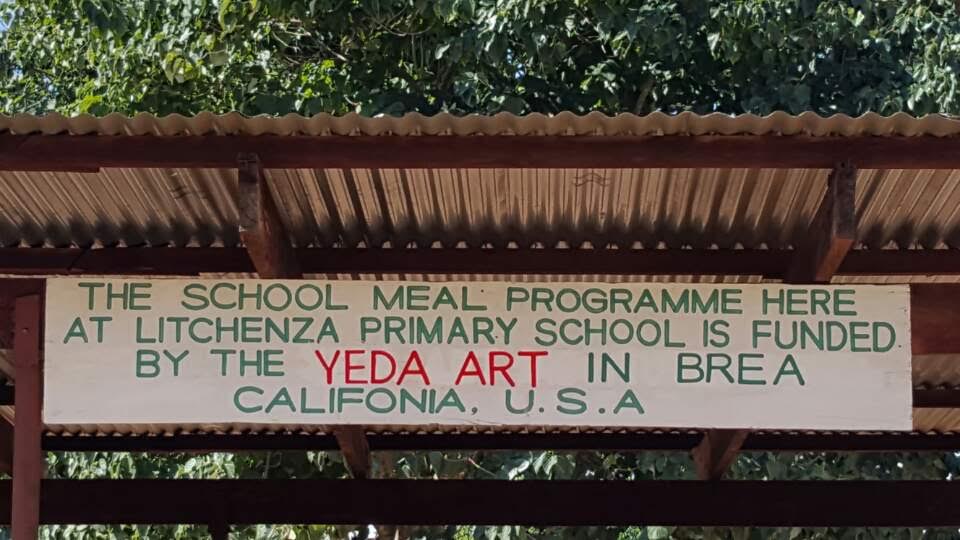



![IMG_6362[1]](https://colartsclub.org/wp-content/uploads/2015/10/img_63621-e1444168339711.jpg)
![IMG_6363[1]](https://colartsclub.org/wp-content/uploads/2015/10/img_63631-e1444168724348.jpg)


 Crops of Love Art Club